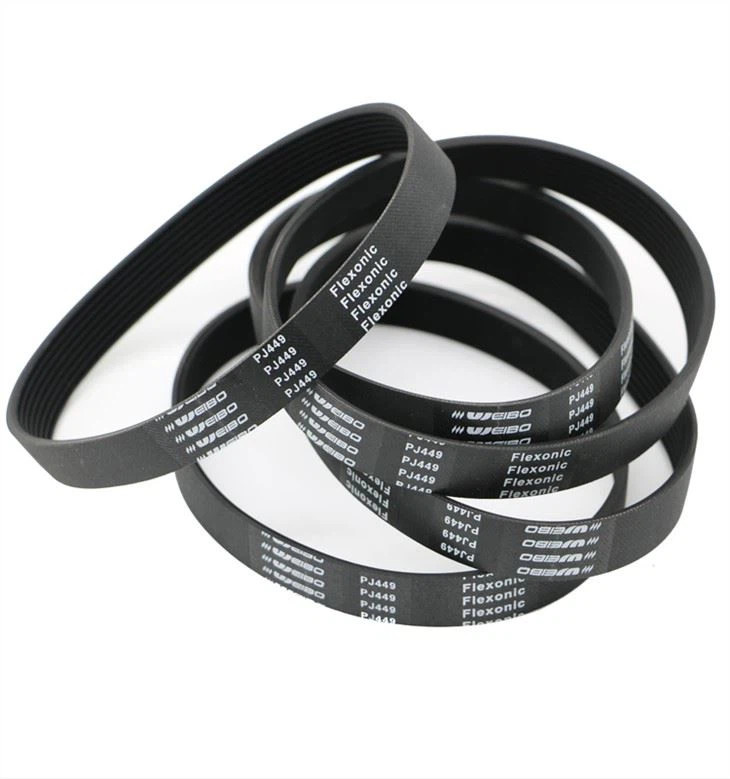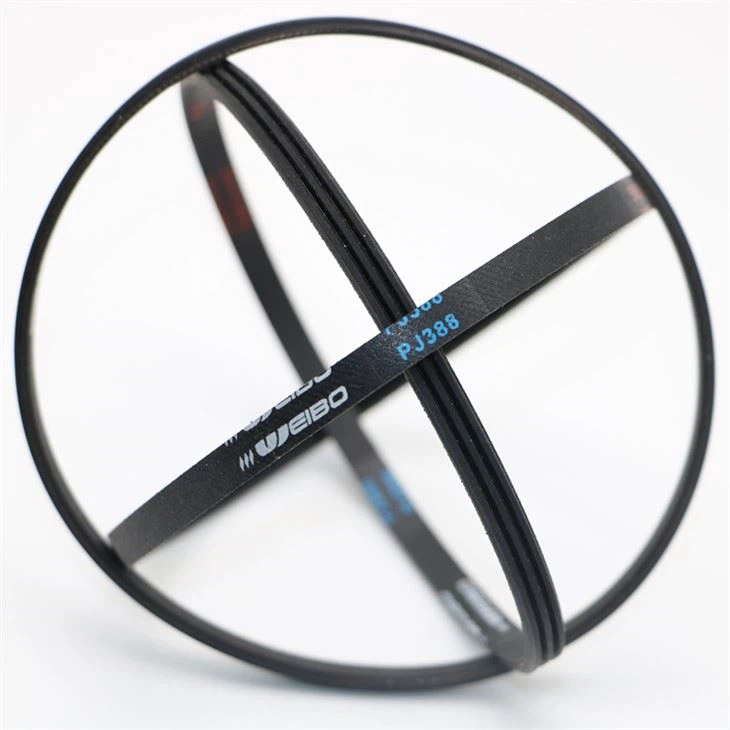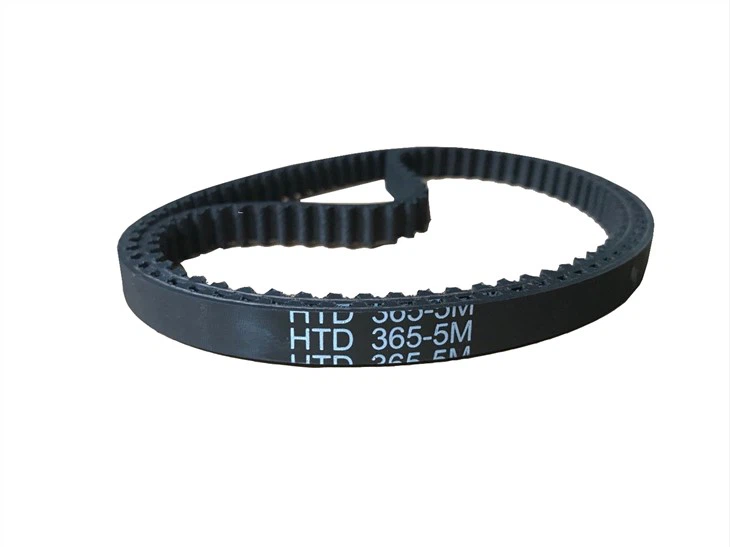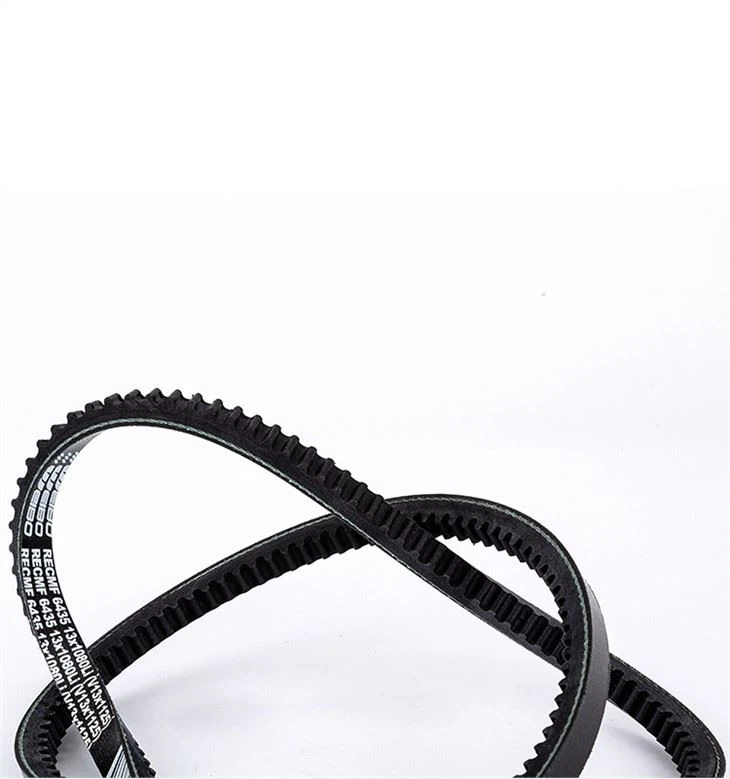

In the world of industrial power transmission, the longevity and efficiency of machinery depend greatly on the condition of critical components such as chain timing belts. Zhejiang Pioneer Transmission Technology Co.,Ltd, commonly known as Pioneer Transmission Technology, has been at the forefront of providing high-quality chain timing belts and innovative maintenance solutions. In this article, we explore whether regular maintenance of chain timing belts can effectively reduce repair costs, and how industry advancements are shaping the future of power transmission systems.
Chain timing belts are essential in synchronizing the movement of engine components, ensuring smooth and efficient power transmission. Over time, these belts are subjected to wear and tear, which can lead to misalignment, slippage, and even catastrophic equipment failure. Pioneer Transmission Technology emphasizes that proactive maintenance is not just a preventive measure, but a cost-saving strategy that extends the lifespan of both the belt and the entire machinery.
Routine inspections, proper lubrication, and timely replacement of worn parts are key elements of an effective maintenance program. By identifying issues early, companies can avoid unexpected downtime and the high costs associated with emergency repairs or complete equipment replacement.
One of the primary benefits of maintaining chain timing belts is the significant reduction in long-term repair costs. When belts are neglected, minor issues such as fraying, cracking, or misalignment can escalate into major failures. Pioneer Transmission Technology has observed in numerous case studies that companies practicing regular maintenance report up to 40% fewer breakdowns and reduced expenditure on parts replacement.

Moreover, a well-maintained timing belt ensures optimal performance, reducing the strain on other mechanical components such as sprockets, pulleys, and tensioners. This holistic approach to maintenance not only protects the belt itself but also preserves the integrity of the entire transmission system.
The chain timing belt industry is evolving rapidly, driven by the demand for more durable, efficient, and maintenance-friendly products. Pioneer Transmission Technology invests heavily in research and development to create belts with advanced materials like high-strength polymers and reinforced steel cords. These innovations result in products with longer service intervals and improved resistance to harsh operating environments.
Additionally, the integration of smart sensors and monitoring systems is becoming increasingly common in the industry. These technologies enable real-time tracking of belt condition, wear levels, and tension, allowing for predictive maintenance and further reducing unplanned repair costs.
Regular Visual Inspections: Check for signs of wear, cracking, or misalignment. Early detection can prevent major failures.
Proper Tensioning: Ensure the belt is tensioned according to manufacturer specifications to avoid slippage or excessive wear.
Lubrication: Use appropriate lubricants to minimize friction and heat buildup, which can degrade belt material.
Scheduled Replacements: Follow recommended replacement intervals to prevent sudden breakdowns.
Environmental Control: Protect belts from contaminants such as dust, oil, and moisture, which can accelerate deterioration.
Implementing these practices can dramatically extend the service life of chain timing belts and reduce the frequency and cost of repairs.
The shift towards automation and digitalization in manufacturing is influencing the design and maintenance of power transmission systems. Companies like Pioneer Transmission Technology are responding by developing smart chain timing belts equipped with embedded sensors. These sensors provide continuous feedback on belt health, enabling predictive maintenance strategies that minimize downtime and optimize resource allocation.
Furthermore, the global emphasis on energy efficiency is prompting manufacturers to design lighter, stronger, and more efficient belts. This not only reduces energy consumption but also lowers the total cost of ownership for end-users. As a result, the industry is witnessing a surge in demand for advanced timing belt solutions that offer both durability and ease of maintenance.
In summary, regular maintenance of chain timing belts is a proven method for reducing repair costs and enhancing equipment reliability. Pioneer Transmission Technology advocates for a proactive approach, combining traditional maintenance practices with the latest technological advancements. By investing in quality products and adopting a comprehensive maintenance strategy, companies can achieve significant cost savings, improve operational efficiency, and stay competitive in an increasingly demanding market.
As the industry continues to evolve, staying informed about the latest trends and best practices in chain timing belt maintenance will be crucial for businesses aiming to maximize their return on investment and minimize unexpected repair expenses.
Keywords: chain timing belt, repair costs
For more information on chain timing belt solutions and maintenance best practices, visit Pioneer Transmission Technology’s official website or contact our technical support team.
Tags:automotive belt,automotive belt manufacturer,cogged v belt factory